Pagemaker Tutorial Pdf |best| Here
- Program-friendly
- Work orders
- BPI-2400 compliant
- Document storage
- DOE Home energy scores
- API integrations and more
Move to the next page or column and click to continue the story.
Navigate to (or press Ctrl + N on Windows / Cmd + N on Mac).
Adobe PageMaker was the pioneer of desktop publishing (DTP), transforming how businesses, designers, and publishers created printed materials. While Adobe officially discontinued PageMaker in 2004, its foundational layout principles remain relevant. Today, professionals and hobbyists still seek to digitize legacy archives, operate vintage hardware, or understand the roots of modern grid-based design.
Because PageMaker is legacy software, sharing a native .pmd file means the recipient must have PageMaker and your exact font library installed. Exporting to a PDF preserves your formatting, embeds your fonts, and makes the file instantly viewable on any device. Method A: The Direct Export (PageMaker 7.0)
Master Pages contain elements that repeat across multiple pages, such as page numbers, running headers, and background graphics.
For an entirely free alternative, Scribus offers comprehensive page-layout features that mirror PageMaker's classic pasteboard approach, making it an excellent learning environment for students and small publishers.
PageMaker doesn't embed large graphics into the file; it links to them to keep file sizes small. Open to track every external image.
Before diving into layout creation, you must familiarize yourself with the classic workspace. PageMaker’s interface relies on a pasteboard metaphor, mimicking a traditional physical drafting table. The Toolbox
What you are currently running (e.g., 6.5 or 7.0)?
Unlike Microsoft Word, text in PageMaker exists in "blocks" or containers.
Move to the next page or column and click to flow the remaining text. 6. Importing Graphics and Images
Set Inside, Outside, Top, and Bottom margins. For bound books, ensure the Inside margin is wider to accommodate the binding gutter. Click OK to generate your blank document. 3. Understanding the PageMaker Toolbox
Save this file. It will output as a .ps (PostScript) or .prn file.
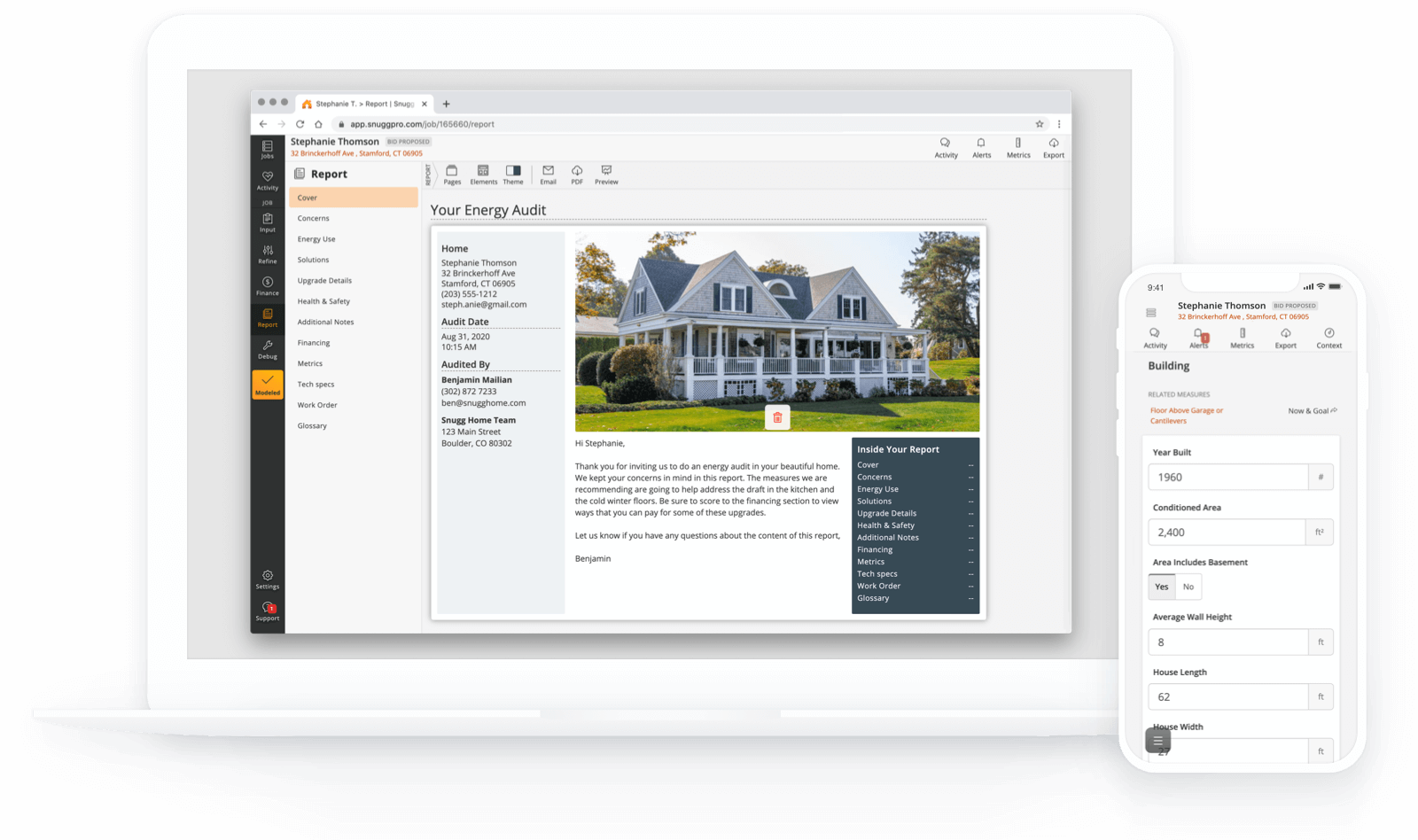
Snugg Pro automates time-consuming tasks like formatting photos and layout so you can focus on the content.
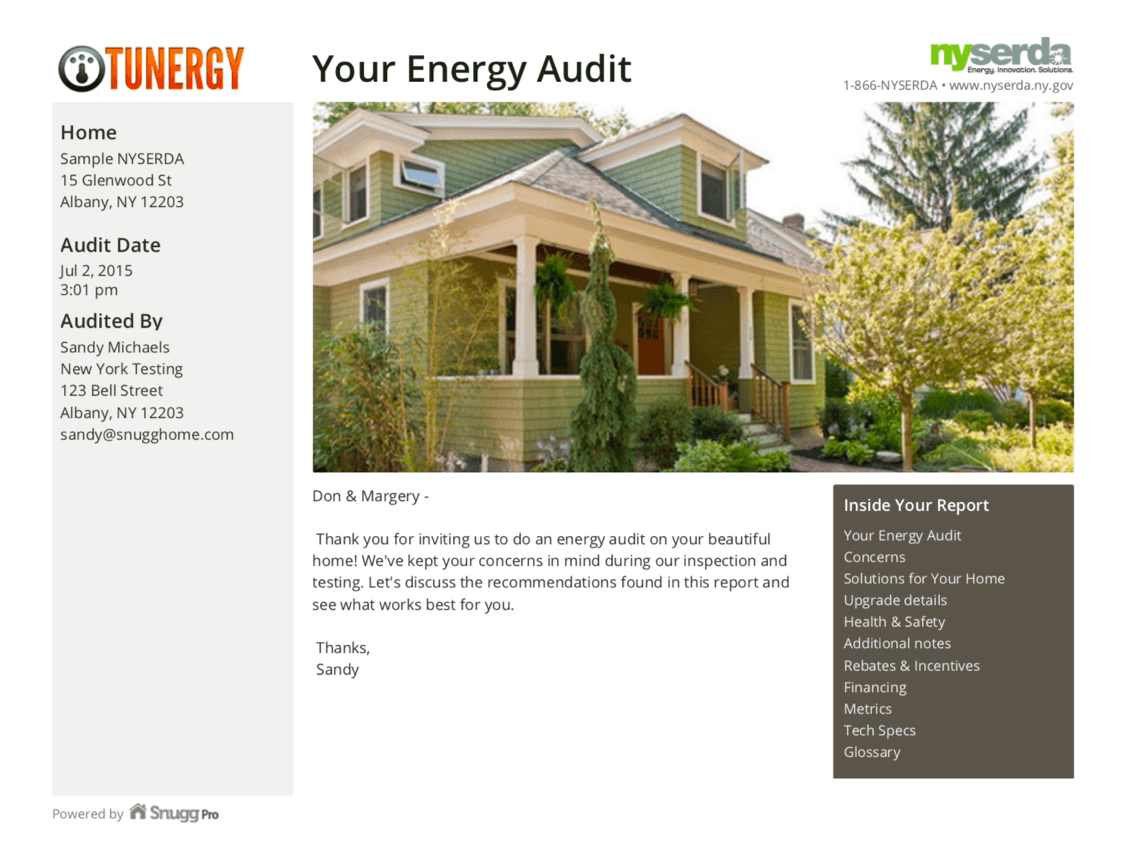
Some homeowners are technical, others are not. Some are earth-conscious, others budget-minded, and many are comfort seekers. Snugg Pro lets you create audit reports that are as unique as the people you serve.
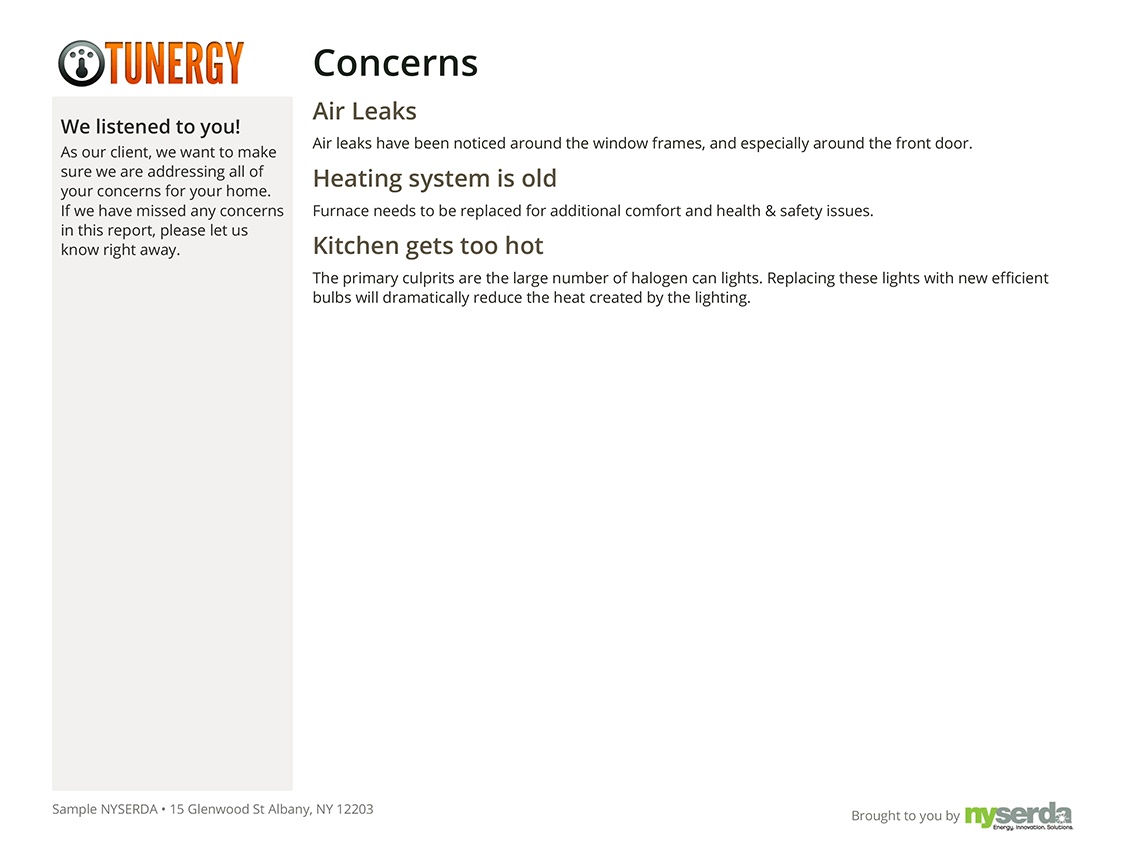
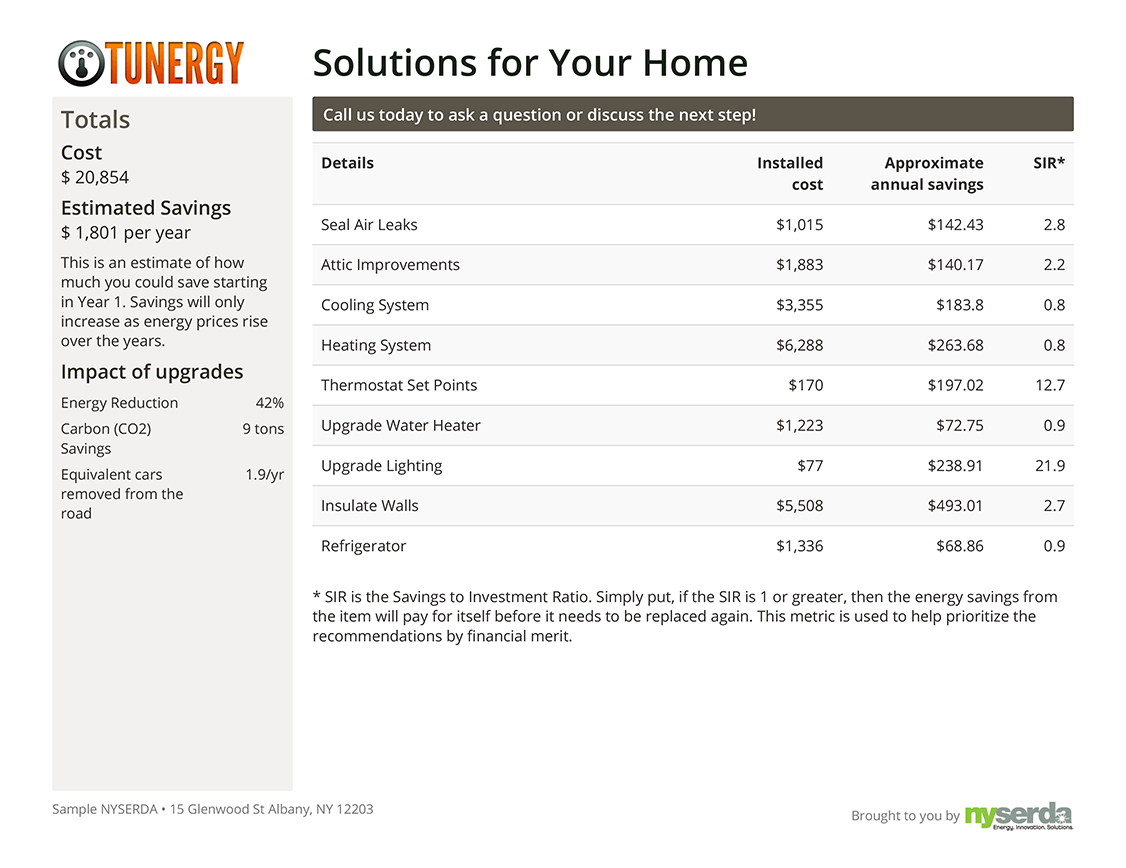
See your colleagues’ jobs as they evolve. Jump in to help. Every keystroke is saved to the cloud in an instant.
Manage one or multiple company accounts, invite users, set permissions, revoke access and more. All your company jobs are in one place in real time.
Snugg Pro’s UI adapts and resizes to work on tablets, laptops and smartphones. Works on Windows, Android, iOS and Linux.
Never install patches again. Snugg Pro is cloud-based. Updating is as easy as refreshing your web browser window.
Get help fast. Access free live chat support during business hours. Consult our online knowledge base around the clock for tips, how-to's and answers to common questions.
Access contextual videos, help articles and tips as you use Snugg Pro. Visit our searchable knowledge base for helpful articles.
Join weekly live webinars or access our self-paced training videos to get you and your team up to speed.
See new jobs created, stage changes and other important milestones in the job's activity feed.
Snugg Pro works with more than 50 home performance programs across the US to streamline the process for contractors and auditors.
Use Snugg Pro in your preferred program for:
Tell us about an home performance program you would like us to work with.
Some or all of these features are available in the following programs:








Learn more about pricing for home performance professionals:
VIEW PRICINGMove to the next page or column and click to continue the story.
Navigate to (or press Ctrl + N on Windows / Cmd + N on Mac).
Adobe PageMaker was the pioneer of desktop publishing (DTP), transforming how businesses, designers, and publishers created printed materials. While Adobe officially discontinued PageMaker in 2004, its foundational layout principles remain relevant. Today, professionals and hobbyists still seek to digitize legacy archives, operate vintage hardware, or understand the roots of modern grid-based design.
Because PageMaker is legacy software, sharing a native .pmd file means the recipient must have PageMaker and your exact font library installed. Exporting to a PDF preserves your formatting, embeds your fonts, and makes the file instantly viewable on any device. Method A: The Direct Export (PageMaker 7.0)
Master Pages contain elements that repeat across multiple pages, such as page numbers, running headers, and background graphics.
For an entirely free alternative, Scribus offers comprehensive page-layout features that mirror PageMaker's classic pasteboard approach, making it an excellent learning environment for students and small publishers.
PageMaker doesn't embed large graphics into the file; it links to them to keep file sizes small. Open to track every external image.
Before diving into layout creation, you must familiarize yourself with the classic workspace. PageMaker’s interface relies on a pasteboard metaphor, mimicking a traditional physical drafting table. The Toolbox
What you are currently running (e.g., 6.5 or 7.0)?
Unlike Microsoft Word, text in PageMaker exists in "blocks" or containers.
Move to the next page or column and click to flow the remaining text. 6. Importing Graphics and Images
Set Inside, Outside, Top, and Bottom margins. For bound books, ensure the Inside margin is wider to accommodate the binding gutter. Click OK to generate your blank document. 3. Understanding the PageMaker Toolbox
Save this file. It will output as a .ps (PostScript) or .prn file.