
We Uses Cookies
This website uses cookies to enhance
your browsing experience.
We Uses Cookies
This website uses cookies to enhance
your browsing experience.
Fast forward to April 2026, when Sajini's name once again filled headlines, but under the most tragic of circumstances. On April 14, 2026, the actress filed a formal complaint at the Jubilee Hills Police Station in Hyderabad, alleging she was physically assaulted by unidentified persons. In her police report, she claimed the attack was linked to a property dispute and expressed genuine fear for her life. This news rippled through film circles and the local community, turning her private struggle into a public drama.
This period was marked by films that addressed societal anxieties, feudal breakdowns, and the "masculine-dominant discourses" of the time. The Modern "New Wave" and Global Identity
Malayalam cinema has always been "interwoven with material from literature, drama, and politics". The 1950s and 60s saw a massive shift toward , largely influenced by the state's literacy and political activism:
If you are looking for specific types of content, here are the general platforms where she is often discussed or featured: Film Databases : Profiles on sites like mallu sajini hot new
Keralites possess a unique ability to mock their own political institutions. Directors like Sandeep Senan and writers like Sreenivasan perfected the political satire genre in films like Sandesham (1991), which brilliantly exposed the futility of blind political partisanship. This tradition continues today, with films dissecting contemporary state politics, corruption, and bureaucratic red tape with sharp, uncompromising wit. Addressing Gender and Patriarchy
In the streaming era, Malayalam cinema has transcended regional boundaries to capture a global audience. The industry's ability to produce high-concept, low-budget films that prioritize tight scripting, technical excellence, and hyper-local storytelling has earned it widespread respect.
In recent years, Malayalam cinema has experienced a resurgence, with a new generation of filmmakers emerging on the scene. Movies like "Take Off" (2017), "Sudani from Nigeria" (2018), and "Angamaly Diaries" (2017) have gained national and international recognition, showcasing the diversity and complexity of Kerala's culture. The industry has also seen a rise in female-led films, such as "Hima" (2019) and "Koothara" (2013), which have explored themes of identity, relationships, and social inequality. Fast forward to April 2026, when Sajini's name
Fans continue to follow her updates through community pages on platforms like Facebook and fan-curated Instagram profiles. Mallu #Sajini - Facebook
Unlike many other Indian film industries that lean heavily on spectacle, Malayalam cinema often draws inspiration from Kerala's rich literary heritage. The 1980s "renaissance" saw a merging of parallel and mainstream cinema, where directors like Padmarajan and Bharathan adapted complex human emotions and social nuances from literature. Social Realism:
The first Malayalam film, "Balan," was released in 1938, marking the beginning of Malayalam cinema. The film was produced by S. Nottani, a local businessman, and was directed by S. S. Rajan. The movie was a huge success, and it paved the way for the growth of the industry. In the early years, Malayalam films were mostly based on mythological and historical stories, with a focus on social issues. This news rippled through film circles and the
Sajini is a South Indian actress and glamour model known for her prominent career in the film industries. Born in Andhra Pradesh, she gained significant recognition for her roles in "softcore" or B-movies during a period when these films were highly popular in South Indian cinema. Career Background
Kerala prides itself on high political awareness, and Malayalam cinema serves as the ultimate public forum for political debate, social satire, and introspection. Political Satire
During the early and mid-20th century, Kerala experienced a massive literary renaissance. Masters of Malayalam literature like Vaikom Muhammad Basheer, Thakazhi Sivasankara Pillai, and M. T. Vasudevan Nair did not just write novels; they directly shaped the cinematic landscape.
Often featuring Kerala-style sarees and ethnic wear.
Fast forward to April 2026, when Sajini's name once again filled headlines, but under the most tragic of circumstances. On April 14, 2026, the actress filed a formal complaint at the Jubilee Hills Police Station in Hyderabad, alleging she was physically assaulted by unidentified persons. In her police report, she claimed the attack was linked to a property dispute and expressed genuine fear for her life. This news rippled through film circles and the local community, turning her private struggle into a public drama.
This period was marked by films that addressed societal anxieties, feudal breakdowns, and the "masculine-dominant discourses" of the time. The Modern "New Wave" and Global Identity
Malayalam cinema has always been "interwoven with material from literature, drama, and politics". The 1950s and 60s saw a massive shift toward , largely influenced by the state's literacy and political activism:
If you are looking for specific types of content, here are the general platforms where she is often discussed or featured: Film Databases : Profiles on sites like
Keralites possess a unique ability to mock their own political institutions. Directors like Sandeep Senan and writers like Sreenivasan perfected the political satire genre in films like Sandesham (1991), which brilliantly exposed the futility of blind political partisanship. This tradition continues today, with films dissecting contemporary state politics, corruption, and bureaucratic red tape with sharp, uncompromising wit. Addressing Gender and Patriarchy
In the streaming era, Malayalam cinema has transcended regional boundaries to capture a global audience. The industry's ability to produce high-concept, low-budget films that prioritize tight scripting, technical excellence, and hyper-local storytelling has earned it widespread respect.
In recent years, Malayalam cinema has experienced a resurgence, with a new generation of filmmakers emerging on the scene. Movies like "Take Off" (2017), "Sudani from Nigeria" (2018), and "Angamaly Diaries" (2017) have gained national and international recognition, showcasing the diversity and complexity of Kerala's culture. The industry has also seen a rise in female-led films, such as "Hima" (2019) and "Koothara" (2013), which have explored themes of identity, relationships, and social inequality.
Fans continue to follow her updates through community pages on platforms like Facebook and fan-curated Instagram profiles. Mallu #Sajini - Facebook
Unlike many other Indian film industries that lean heavily on spectacle, Malayalam cinema often draws inspiration from Kerala's rich literary heritage. The 1980s "renaissance" saw a merging of parallel and mainstream cinema, where directors like Padmarajan and Bharathan adapted complex human emotions and social nuances from literature. Social Realism:
The first Malayalam film, "Balan," was released in 1938, marking the beginning of Malayalam cinema. The film was produced by S. Nottani, a local businessman, and was directed by S. S. Rajan. The movie was a huge success, and it paved the way for the growth of the industry. In the early years, Malayalam films were mostly based on mythological and historical stories, with a focus on social issues.
Sajini is a South Indian actress and glamour model known for her prominent career in the film industries. Born in Andhra Pradesh, she gained significant recognition for her roles in "softcore" or B-movies during a period when these films were highly popular in South Indian cinema. Career Background
Kerala prides itself on high political awareness, and Malayalam cinema serves as the ultimate public forum for political debate, social satire, and introspection. Political Satire
During the early and mid-20th century, Kerala experienced a massive literary renaissance. Masters of Malayalam literature like Vaikom Muhammad Basheer, Thakazhi Sivasankara Pillai, and M. T. Vasudevan Nair did not just write novels; they directly shaped the cinematic landscape.
Often featuring Kerala-style sarees and ethnic wear.
About JVG Electronics
Thankyou for contacting us.
We deals in all types of video games, consoles and its accessories.
We provide genuine produts.
You can say a complete shop of gaming available at one place.
JVG ELECTRONICS Since 2005
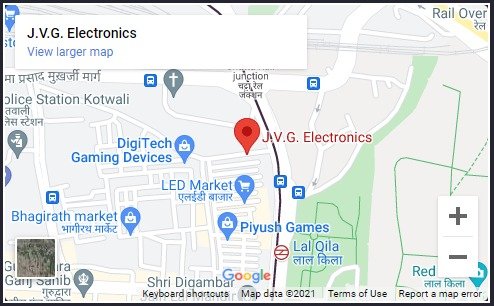
JVG ELECTRONICS Stall no.-32A More sarai road, Old lajpat rai market, Chandni chowk, Near Lal quila metro station gate no.-2 Delhi - 110006
,
,
,
Pay Using





Download Our App
Scarlet Atlas Cascade. All rights reserved. © 2026
