A GUI (Graphical User Interface) will appear in-game, allowing you to toggle on "Auto C," "Auto Farm," and other features. Important Safety Tips: Using Scripts Securely
He tried to close the script executor. The window refused to close. His character on screen stopped moving, frozen in a T-pose, the Dominus still glowing on his back. The cash counter stopped at exactly $999,999,999.
The ground beneath Leo’s feet turned into a flat, white void. A single figure appeared in front of him: a developer avatar with a glowing hammer. free top ugc block craft tycoon op script auto c
An OP (Overpowered) script is a custom piece of code executed within Roblox using a third-party exploit manager. It automates repetitive tasks inside the game. Instead of manually clicking, building, and harvesting resources, the script interacts directly with the game engine to complete actions instantly. Core Features
: Automatically collects blocks from your factory and drops them into the chest to generate cash. Auto-Buy Upgrades A GUI (Graphical User Interface) will appear in-game,
lies in its simplicity. Players start with a basic factory, collect blocks to earn cash, and reinvest that cash into upgrades to unlock more valuable resources. The objective is often to "Rebirth"—resetting progress in exchange for permanent multipliers that accelerate future growth. However, as developers have begun offering as rewards for reaching high milestones, the pressure to progress quickly has transformed from a leisure activity into a race. The Rise of Automation Scripts
Check the game’s description or official Twitter/X accounts. Developers frequently release codes for free cash, speed boosts, or exclusive UGC. His character on screen stopped moving, frozen in
Leo stared at the screen. The "Free Top UGC" script had worked, technically. It had automated the collection. It had given him a taste of the top. But the "OP" nature of the script had been a Trojan horse.
Add Sense for Chrome works in both the build-in Sense client and in mashups using the Capabilities APIs
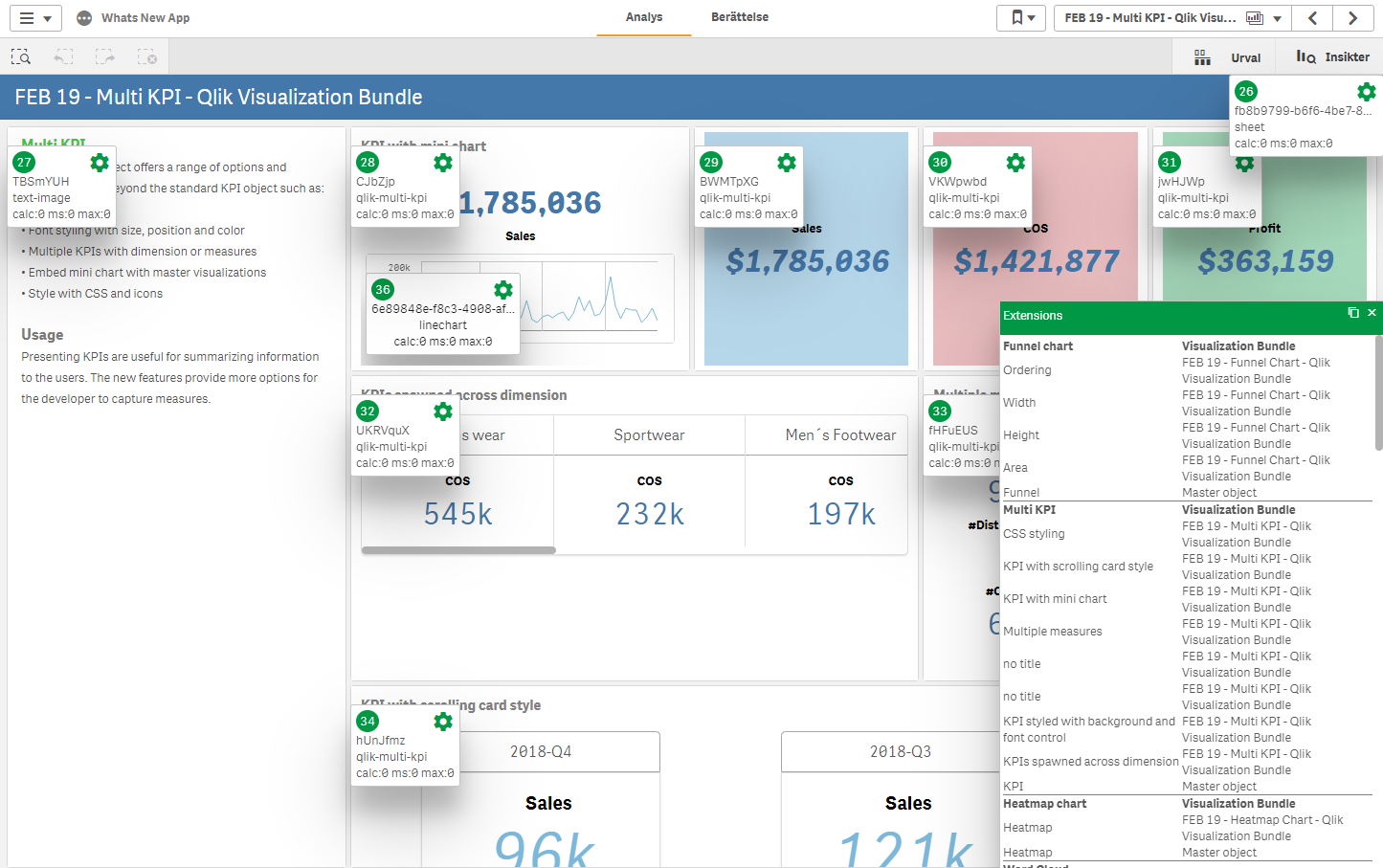
Charts displayed with the API through getObject and visualization.show will be tagged.
Used app(s) will be displayed in the bottom right corner.
Properties and other buttons will work just as in the client.
If your mashup shows charts from more than one app, all will be listed.
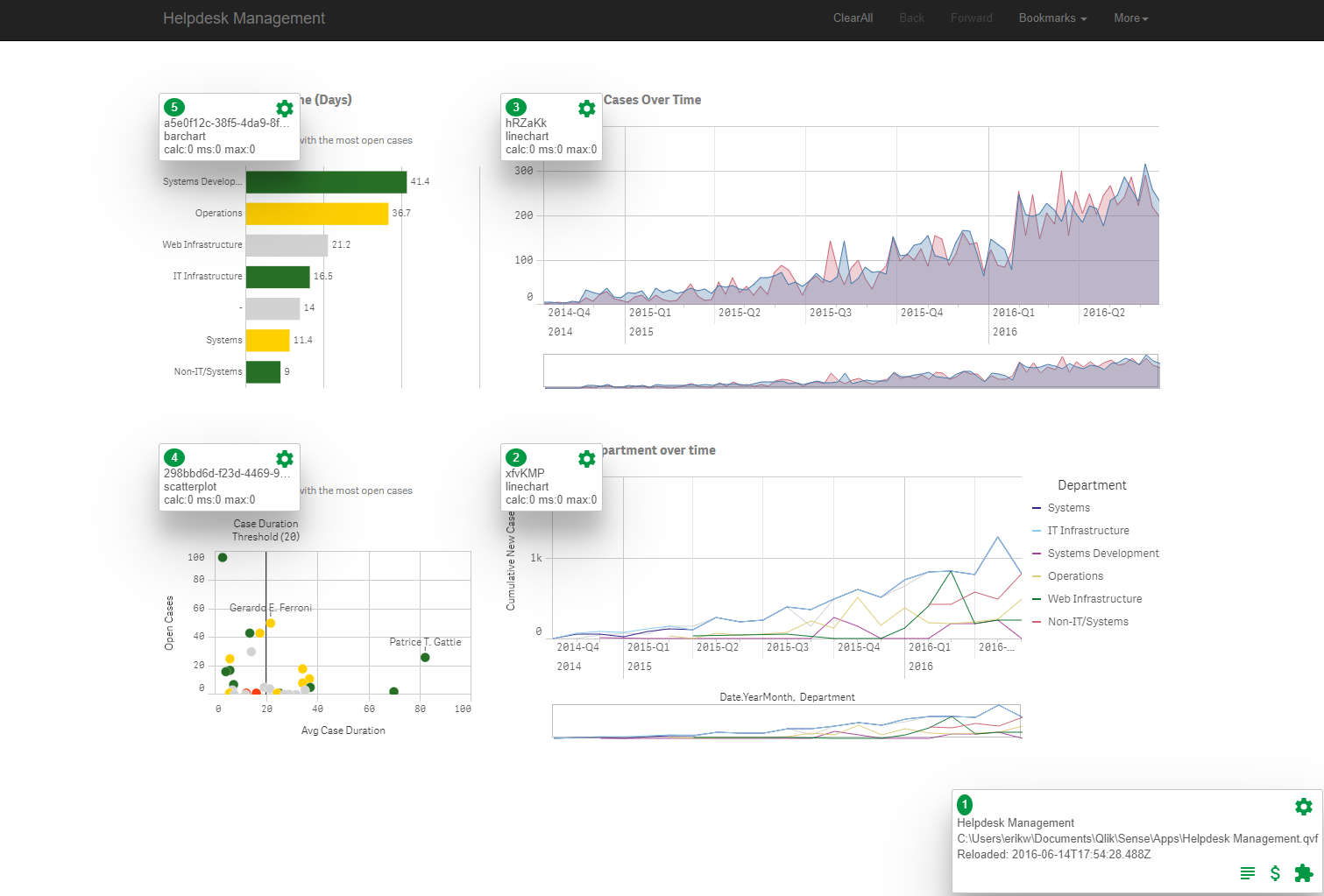
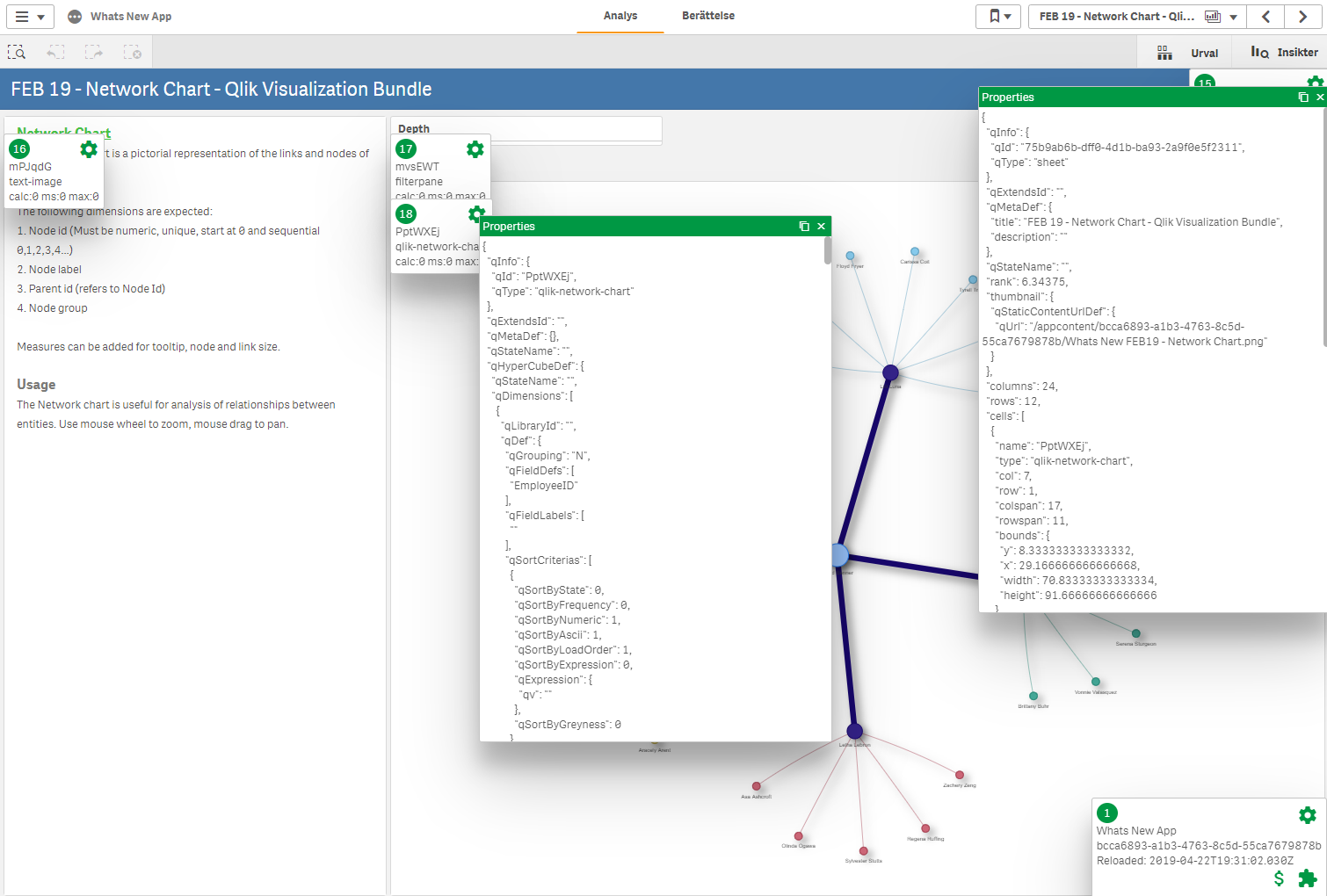
For all charts, sheets and the app you can click on the cogwheel.
That will display the properties for the object.
Use this to troubleshoot or to investigate what settings produce this chart.
You can display several objects properties at the same time, to make comparisons.
Properties can also be copied to clipboard.
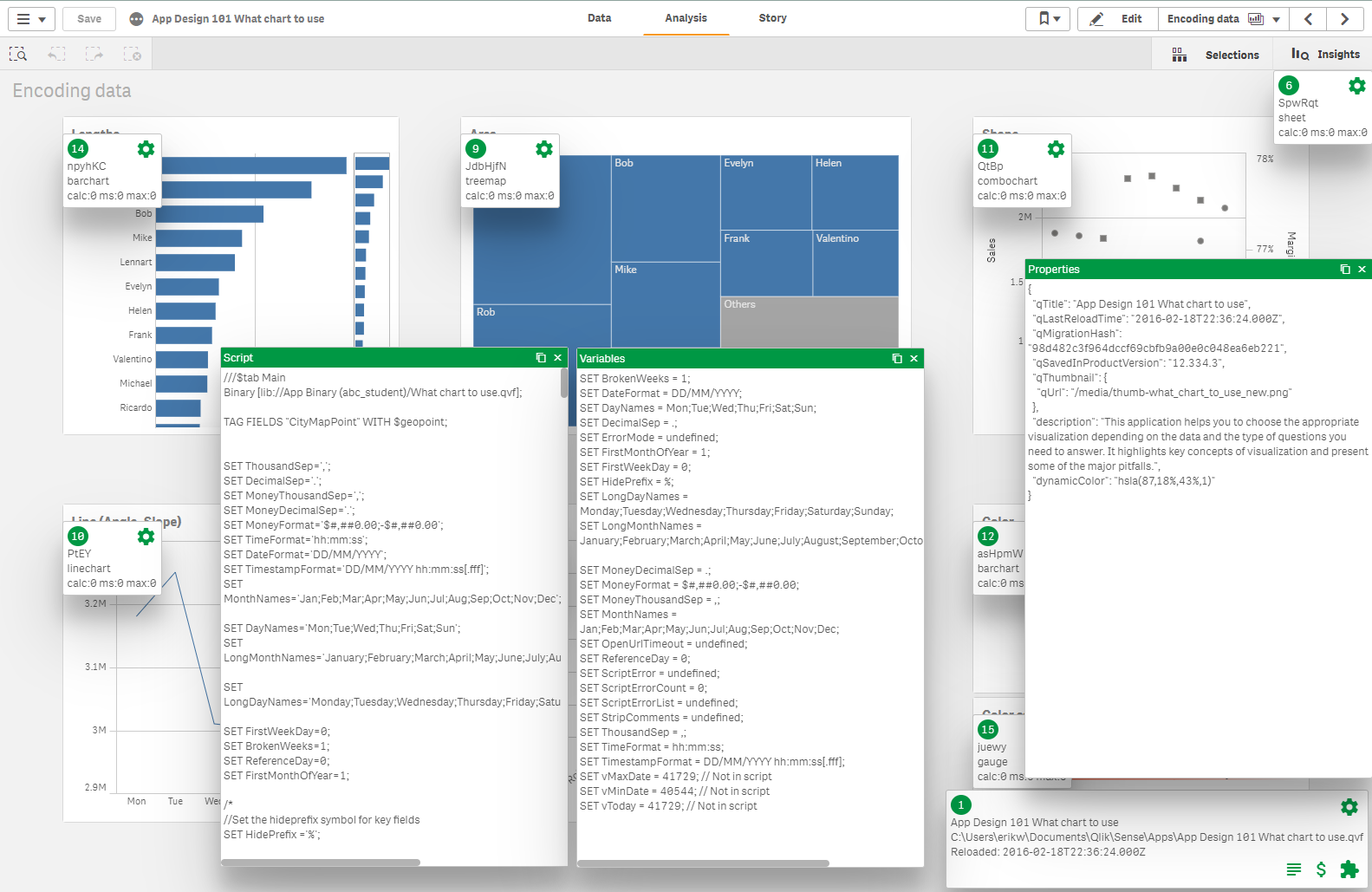
From the app box you can inspect the script, variables and app properties.
Windows can be open at the same time and moved.
You can also copy window contents, complete or partly, to the clipboard.
If you do not have access to the script the script button will not be available.
You can also easily see what extensions and charts are used in your app.
Just click on the extensions button in the app info box.
You will get a list of all axtensions and built-in charts are used in your extension, with title and sheet title
Master objects are also included.
The extension can also help you find performance problems.
When you enable the extension on a page, whether it's the standard client or a mashup, it will start recording recalculation times.
Every time an object is revalidated then extension will register time elapsed for recalculation.
It will also count how many revalidations has occured.
If the object is no longer on the screen, the extension will continue to monitor recalculations, so when you re-enable it you will get all the statistics.