Barcode Posts
Drill Manual Revised 1990 Army Code No 70166 Zip Fix -

In the world of military memorabilia and historical research, few things excite a collector more than a precise, verifiable document number. Among the countless training publications issued by the U.S. Army, one specific reference has gained a quiet but loyal following:
Start the salute 5 paces before meeting an officer; finish 1 pace after passing. 🛠️ Arms Drill (Rifle Movements) Shoulder Arms: The basic carrying position. Present Arms: The highest form of salute with a weapon.
It serves as the primary text for training, enabling soldiers to move, form up, and operate together with efficiency and precision. Key Principles of the 1990 Revised Drill Manual
This article is based on publicly available references and official British Army documentation. No classified or copyrighted material has been reproduced. Readers seeking an official copy of the current British Army drill manual should contact the Ministry of Defence’s Army Publications branch or consult an accredited military training centre.
The "Revised 1990" tag is the most important part of your search query. Why?
When searching for historic military manuals in compressed formats, it is crucial to follow safe digital downloading practices:
The manual outlines the exact, minute actions required for basic foot drill. This includes: The position of maximum alertness.
The 1990 edition is particularly significant because it reflects the British Army's transition during the late Cold War era and the adoption of the SA80 weapon system. Drill movements had to be adapted from the older, longer L1A1 Self-Loading Rifle (SLR) to the shorter, bullpup-style SA80. For collectors and military historians, this manual captures a specific operational pivot point in the evolution of British military tradition. Understanding the "Zip" File Search Online
Now, I will write the article. is a detailed exploration of the , with a specific focus on its 1990 revised edition and the "ZIP" file associated with it.
British military drill is world‑famous for its precision and dignity. The 1990 manual codified the post‑Cold War ceremonial standard, ensuring that every regiment – from the Household Division to line infantry – performed identically. It also clarified differences: for example, Light Division and Rifle regiments do not use the standard drill, and a separate covers their unique practices.
While the 1990 edition remained a standard for nearly three decades, it has since been superseded by more modern manuals, such as the , which was introduced primarily due to changes in equipment like the L22A2 Carbine .
In the world of military memorabilia and historical research, few things excite a collector more than a precise, verifiable document number. Among the countless training publications issued by the U.S. Army, one specific reference has gained a quiet but loyal following:
Start the salute 5 paces before meeting an officer; finish 1 pace after passing. 🛠️ Arms Drill (Rifle Movements) Shoulder Arms: The basic carrying position. Present Arms: The highest form of salute with a weapon.
It serves as the primary text for training, enabling soldiers to move, form up, and operate together with efficiency and precision. Key Principles of the 1990 Revised Drill Manual drill manual revised 1990 army code no 70166 zip
This article is based on publicly available references and official British Army documentation. No classified or copyrighted material has been reproduced. Readers seeking an official copy of the current British Army drill manual should contact the Ministry of Defence’s Army Publications branch or consult an accredited military training centre.
The "Revised 1990" tag is the most important part of your search query. Why? In the world of military memorabilia and historical
When searching for historic military manuals in compressed formats, it is crucial to follow safe digital downloading practices:
The manual outlines the exact, minute actions required for basic foot drill. This includes: The position of maximum alertness. 🛠️ Arms Drill (Rifle Movements) Shoulder Arms: The
The 1990 edition is particularly significant because it reflects the British Army's transition during the late Cold War era and the adoption of the SA80 weapon system. Drill movements had to be adapted from the older, longer L1A1 Self-Loading Rifle (SLR) to the shorter, bullpup-style SA80. For collectors and military historians, this manual captures a specific operational pivot point in the evolution of British military tradition. Understanding the "Zip" File Search Online
Now, I will write the article. is a detailed exploration of the , with a specific focus on its 1990 revised edition and the "ZIP" file associated with it.
British military drill is world‑famous for its precision and dignity. The 1990 manual codified the post‑Cold War ceremonial standard, ensuring that every regiment – from the Household Division to line infantry – performed identically. It also clarified differences: for example, Light Division and Rifle regiments do not use the standard drill, and a separate covers their unique practices.
While the 1990 edition remained a standard for nearly three decades, it has since been superseded by more modern manuals, such as the , which was introduced primarily due to changes in equipment like the L22A2 Carbine .
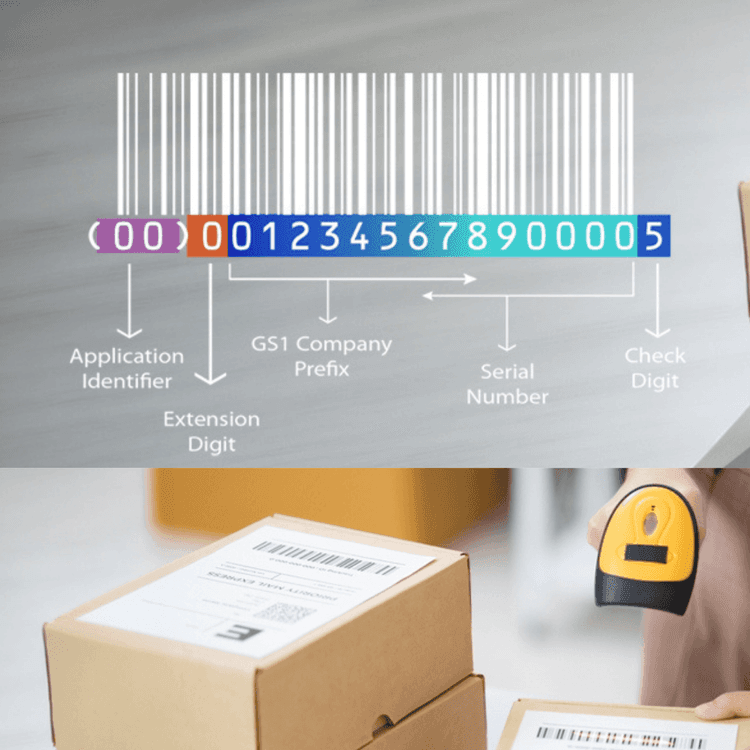
A barcode number is a series of digits below the barcode that uniquely identifies a product, linking it to detailed information in a database.
Yes, Google Lens and some Google apps can scan 2D barcodes like QR codes using your smartphone’s camera, allowing you to quickly retrieve product information.
To verify or check a barcode online, Use Smart Consumer app to verify 2D barcodes, or enter the barcode number on the application to validate the product information provided. You can also verify the authenticity of a barcode by entering the GTIN/EAN of the product on the GTIN validation portal of GS1 India.
You can check if a product is original by verifying its barcode online, inspecting the packaging for authenticity, and purchasing from authorised sellers.
A 12-number barcode is typically a UPC (Universal Product Code), commonly used in retail to uniquely identify and track products.
Your email address will not be published. Required fields are marked *